The Shift Is Real
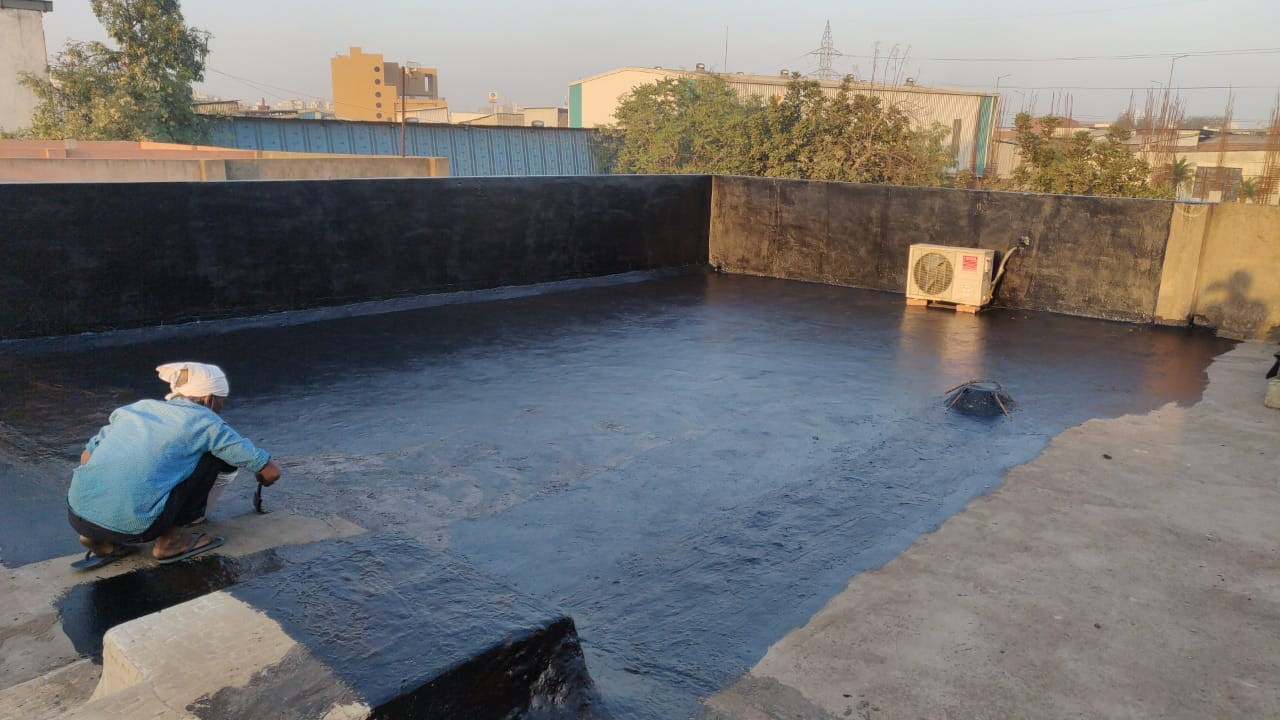
Across 12 industrial waterproofing deployments we audited in the Gulf region during 2025, nine specifiers shifted their default recommendation from sheet/membrane systems to liquid-applied seamless coatings. That's a meaningful directional change in a market that historically rewards conservatism.
The reasons aren't surprising — but the rate of change is.
"We used to spec sheet membrane by default. Now we have to be convinced sheet is the right answer."
— Senior Specifier, GCC Consulting Firm
What Specifiers Look For
The conversation has moved away from upfront pricing toward whole-life value. The four attributes that drive selection today:
- Seam-free continuity. The most common point of failure in sheet membranes — eliminated.
- Crack-bridging flexibility. Real-world substrate movement is bridged by the coating, not transferred to the seam.
- Application accessibility. Spray or brush around complex geometry that's a nightmare for sheets.
- Documented warranty. Manufacturer-backed, not installer-promised.
The Lifecycle Math
On the projects we tracked, seamless LRHPC systems showed an average 30% lower total cost of ownership over a 10-year window vs. conventional sheet membrane. The drivers: lower repair frequency, fewer callbacks, simpler reinstatement.
Where the Savings Came From
It wasn't material cost — that was roughly comparable. It was the absence of recurring repair cycles that sheet systems trigger every 18–36 months in chemically aggressive environments.
Where Conventional Still Wins
It's not a clean sweep. Sheet membrane retains its place in a few scenarios:
- Pre-existing project specifications that can't be revised mid-cycle
- Substrates that genuinely can't be prepared to the standard liquid systems require
- Climates where ambient cure conditions are persistently outside tolerance
For everything else? The case for seamless is increasingly hard to argue against.
Final Takeaway
If you're a specifier, a contractor, or an asset owner looking at a waterproofing decision in 2026, ask the harder question: what's the 10-year cost, not the line item? The answer increasingly points away from sheet.